
Hearing the word thalassemia can feel frightening for any parent. Questions, worries, and uncertainty often come all at once. Understanding the condition, what it is, how it affects your child, and the treatment options available, can bring clarity and confidence during an emotional time.
At Dr Kriti’s clinic, we walk alongside families with expert care, clear guidance, and compassion at every step.
Read on to understand thalassemia in simple terms, the treatment pathways available today, and how the right support can help your child live a healthier, fuller life.
Understanding Thalassemia: The Basics
Thalassemia is an inherited blood disorder that affects how the body produces haemoglobin, the protein in red blood cells that carries oxygen throughout the body. When a child has thalassemia, their body cannot make enough healthy haemoglobin, which leads to anaemia, fatigue, and other health challenges.
In India, thalassemia is one of the most common genetic disorders. Approximately 10,000 to 15,000 babies are born with thalassemia major each year. Understanding this condition helps families manage it more effectively.
Types of Thalassemia
Thalassemia comes in different forms, each varying in severity:
🗹 Thalassemia Minor (Trait): This is the mildest form. Children who carry the gene typically show few or no symptoms and can lead completely normal lives without treatment.
🗹 Thalassemia Intermedia: Children with this form experience moderate symptoms that may need occasional medical intervention, but not as intensive as thalassemia major.
🗹 Thalassemia Major (Cooley’s Anaemia): This is the most severe form. It requires regular blood transfusions and comprehensive medical care throughout the child’s life.
Recognising the Signs and Symptoms
Early detection makes a real difference in managing thalassemia. Parents should watch for these common signs:
🗹 Persistent fatigue and weakness
🗹 Pale or yellowish skin tone
🗹 Slow growth and delayed development
🗹 Swollen abdomen due to enlarged spleen
🗹 Facial bone deformities in severe cases
If your child shows any of these symptoms, consult a paediatric haematologist immediately for proper evaluation.
How is Thalassemia Inherited?
Thalassemia passes from parents to children through genes. If both parents carry the thalassemia trait, there’s a 25% chance with each pregnancy that their child will have thalassemia major. This is why genetic counselling and prenatal screening are so important for at-risk couples.
The good news? Thalassemia can be prevented through awareness, genetic testing before marriage or pregnancy, and informed family planning decisions.
Diagnosis of Thalassemia
Doctors use several tests to diagnose thalassemia:
🗹 Complete Blood Count (CBC) to check for anaemia and abnormal red blood cells
🗹 Haemoglobin Electrophoresis to identify the specific type of thalassemia
🗹 Genetic Testing to confirm the diagnosis and identify carriers
🗹 Prenatal Testing for at-risk pregnancies
Early diagnosis means timely treatment and better outcomes for children.
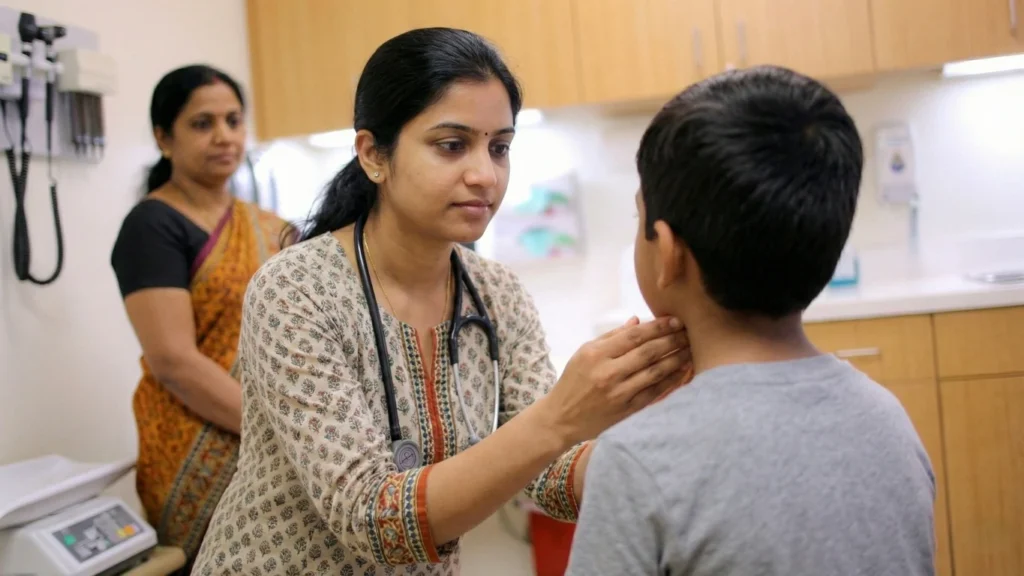
Modern Treatment Options in India
India has made remarkable advances in thalassemia care, offering world-class treatment options:
🗹 Regular Blood Transfusions
For children with thalassemia major, regular blood transfusions are essential to maintain healthy haemoglobin levels. Most children need transfusions every two to four weeks, depending on their individual needs.
🗹 Iron Chelation Therapy
Frequent blood transfusions can cause excess iron to build up in the body, which damages organs over time. Iron chelation therapy uses medication to remove this excess iron, protecting the heart, liver, and other vital organs.
🗹 Bone Marrow Transplant (BMT)
Bone marrow transplantation is currently the only cure for thalassemia. This procedure replaces the faulty bone marrow with healthy stem cells from a matched donor, typically a sibling. India has excellent BMT centres with experienced specialists who have successfully treated hundreds of children with thalassemia.
🗹 Supportive Care
Complete care includes folic acid supplements, proper nutrition, regular monitoring, vaccinations, and psychological support for both the child and family. This comprehensive approach helps children maintain the best possible quality of life.
The Importance of Specialised Care
Managing thalassemia requires expertise in paediatric haematology and oncology. Specialists like Dr Kriti Hegde, who has advanced training in bone marrow transplantation and blood disorders, design treatment plans tailored to each child’s specific needs.
Dr Hegde takes a holistic approach that addresses not just the medical aspects but also the emotional and psychological well-being of children and their families. Her expertise covers complex cases and advanced treatments, including bone marrow transplants. With training from leading institutions in India and the UK, she brings international-standard care to families in Mumbai.
Living Well with Thalassemia
With proper treatment and care, children with thalassemia can attend school, play sports, and enjoy normal childhood activities. Regular follow-ups, sticking to treatment schedules, and maintaining a healthy lifestyle are key to managing the condition successfully.
Parents play a central role by ensuring timely transfusions, giving medications as prescribed, providing nutritious meals, and offering emotional support throughout the treatment journey.

Take the Next Step
If your child has been diagnosed with thalassemia or you have concerns about inherited blood disorders, getting expert consultation makes all the difference. Early intervention and comprehensive care can significantly improve outcomes and quality of life.
Ready to discuss your child’s care? Contact Dr Kriti Hegde, a leading paediatric haematologist and oncologist in Mumbai who specialises in blood disorders and bone marrow transplants. She offers personalised, compassionate care for children with thalassemia and other haematological conditions.
Call +91 8450909323 or email hegde.kriti@gmail.com to schedule a consultation today.
FAQs
1. Is thalassemia curable?
Thalassemia is a genetic condition and cannot be completely cured in most cases. However, with regular treatment such as blood transfusions, medicines to manage iron levels, and proper follow-up, many children lead active and fulfilling lives. In select cases, a bone marrow transplant may offer a potential cure.
2. Will my child need lifelong treatment?
Treatment depends on the type and severity of thalassemia. Some children require regular transfusions, while others may need only monitoring. Your doctor will create a personalised care plan based on your child’s needs.
3. Can children with thalassemia live a normal life?
Yes. With early diagnosis, consistent treatment, and emotional support, most children with thalassemia can attend school, play, and grow well. Ongoing medical care helps manage the condition and supports long-term health.