
When it comes to your child’s health, every parent wants to stay alert. Brain tumours in children may be uncommon, but early detection plays a major role in improving outcomes. As a paediatric oncologist in Mumbai who focuses on brain tumours, I have seen how spotting symptoms early can influence treatment success.
Each year, thousands of children in India are diagnosed with brain tumours. While the numbers can be worrying, recognising early signs helps you seek timely medical care. This guide highlights the first symptoms that parents should never ignore.
Understanding Paediatric Brain Tumours
A brain tumour is an abnormal growth of cells in the brain or spinal cord. In children, these tumours can be benign (non-cancerous) or malignant (cancerous). Even benign tumours can cause serious problems because the skull provides limited space for growth, leading to pressure on healthy brain tissue.
The symptoms your child experiences depend on the tumour’s size, location, and how quickly it’s growing. Let’s explore the key warning signs.
1. Persistent or Unusual Headaches
Headaches are common in children, but brain tumour headaches are different. Watch for headaches that:
🗹 Occur frequently in the morning or wake your child from sleep
🗹 Get progressively worse over weeks or months
🗹 Are accompanied by vomiting without nausea
🗹 Worsens with coughing, sneezing, or bending down
If your child’s headaches don’t respond to usual remedies or show these patterns, consult a paediatric specialist immediately.
2. Unexplained Vomiting
Morning vomiting, especially without stomach pain or diarrhoea, can signal increased pressure inside the skull. This symptom is particularly concerning when it occurs alongside headaches and happens repeatedly over several days.
3. Vision Problems
Changes in vision are among the earliest indicators of a brain tumour. Look out for:
🗹 Blurred or double vision
🗹 Sudden loss of vision in one or both eyes
🗹 Difficulty focusing or tracking objects
🗹 Unusual eye movements
Since tumours can press on the optic nerve, regular eye check-ups become crucial if you notice these changes.
4. Balance and Coordination Issues
If your child, who was previously steady, suddenly becomes clumsy, starts falling often, or struggles with tasks that require coordination, it may signal a tumour affecting the cerebellum, the part of the brain responsible for movement and balance. Pay attention to difficulty walking, unexplained stumbling, or challenges with fine motor skills, such as writing or buttoning clothes.
5. Seizures or Convulsions
A seizure occurring for the first time in a child with no history of epilepsy warrants immediate medical attention. Brain tumours can trigger abnormal electrical activity, leading to:
🗹 Full-body convulsions
🗹 Brief staring spells
🗹 Temporary confusion or unusual sensations
🗹 Involuntary movements
6. Behavioural and Personality Changes
Tumours affecting the frontal lobe may alter your child’s behaviour or personality. You might notice:
🗹 Increased irritability or aggression
🗹 Unusual withdrawal from family and friends
🗹 Sudden mood swings
🗹 Loss of interest in previously enjoyed activities
While behavioural changes can stem from various causes, persistent and unexplained shifts should be evaluated by a specialist.
7. Cognitive and Learning Difficulties
Brain tumours can affect memory, concentration, and learning abilities. Warning signs include:
🗹 Short-term memory problems
🗹 Difficulty concentrating on schoolwork
🗹 Confusion or disorientation
🗹 Struggling with tasks they previously managed easily
Teachers often notice these changes first, so maintaining open communication with your child’s school is important.
8. Speech and Communication Problems
If your child suddenly has trouble finding words, slurs their speech, or shows difficulty expressing themselves, this could indicate a tumour affecting language centres in the brain.
9. Weakness or Numbness
Unexplained weakness on one side of the body, numbness in limbs, or loss of sensation can signal pressure on specific brain areas controlling movement and sensation.
10. Excessive Fatigue and Drowsiness
While children naturally have varying energy levels, persistent tiredness despite adequate rest, or unusual drowsiness throughout the day, especially when combined with other symptoms, deserves medical evaluation.
When Should You Consult a Specialist?
As a parent, you know your child best. Trust your instincts. If you notice any combination of these symptoms persisting for more than a week or two, or if symptoms are worsening, it’s time to seek expert advice.
In Mumbai, accessing specialised paediatric oncology care can help you get an accurate diagnosis through advanced imaging techniques like MRI and CT scans. Early detection significantly improves treatment outcomes and quality of life for children with brain tumours.

The Importance of Early Detection
Brain tumour symptoms often develop gradually, and parents sometimes mistake them for common childhood ailments. However, early diagnosis allows for:
🗹 More treatment options
🗹 Better chances of successful outcomes
🗹 Reduced long-term complications
🗹 Improved quality of life
At our clinic, we use advanced imaging and biopsy techniques to accurately diagnose brain tumours. Treatment options include surgery, chemotherapy, radiation therapy, and targeted therapies tailored to your child’s specific needs.
Moving Forward with Confidence
If your child shows any of these warning signs, remember that many symptoms can occur due to common childhood illnesses. Even so, a professional assessment helps clarify the situation and allows prompt action when required.
As a paediatric oncologist with advanced training in bone marrow transplant therapy and cellular therapies from leading centres in India and the UK, I focus on comprehensive, multidisciplinary care. Treating paediatric cancer involves addressing medical needs as well as the emotional and psychological support required by both the child and the family.
Take Action Today
Your child’s health is precious. If you’re concerned about any symptoms mentioned in this guide, don’t wait. Timely consultation with a paediatric oncologist can make all the difference.
Contact Dr Kriti Hegde for a comprehensive consultation and personalised treatment plan.
📞 +91 8450909323
📧 hegde.kriti@gmail.com
🌐 Book an appointment online
Frequently Asked Questions
Q: Are brain tumours common in children?
A: While brain tumours are the second most common childhood cancer, they remain relatively rare. In India, approximately 40,000-50,000 people are diagnosed annually, with 20 per cent being children.
Q: Can brain tumours be prevented?
A: There’s no guaranteed prevention, but maintaining overall health, avoiding unnecessary radiation exposure, and seeking prompt medical attention for concerning symptoms can help with early detection.
Q: What is the survival rate for paediatric brain tumours?
A: Survival rates vary greatly depending on the tumour type, location, and stage at diagnosis. Early detection and advanced treatment protocols have significantly improved outcomes in recent years.
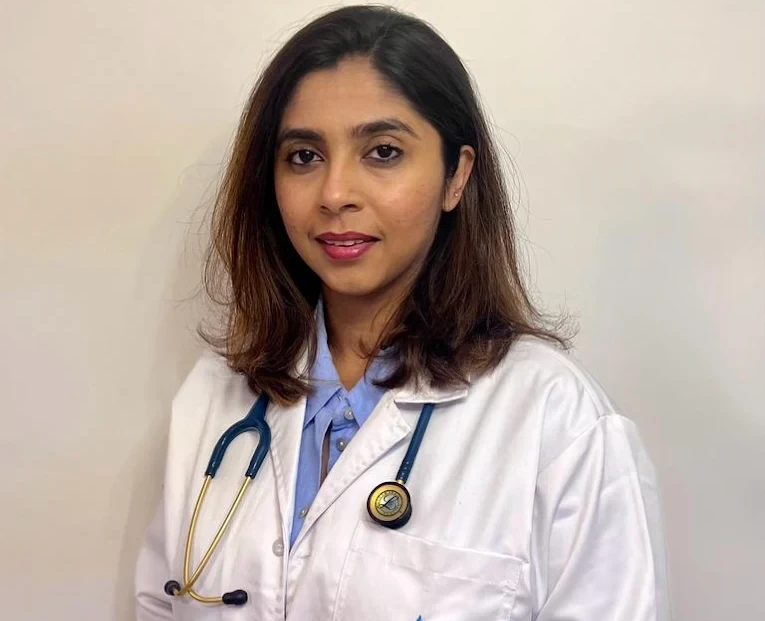
Dr Kriti Hegde is a leading paediatric oncologist in Mumbai, specialising in comprehensive care for children with haematological and oncological disorders, with focused expertise in paediatric brain tumours.