
When your child is diagnosed with cancer, the focus naturally shifts to medical treatments like chemotherapy, radiation, and medications.
However, there’s another crucial element that significantly impacts how well your child tolerates treatment and recovers: nutrition. Proper nutrition isn’t just about eating well; it’s about giving your child’s body the strength to fight cancer, heal from treatment side effects, and maintain growth during one of the most challenging times.
At our pediatric oncology centre in Mumbai, we’ve seen firsthand how personalised nutritional support can transform a child’s treatment journey.
Let’s explore practical, evidence-based nutrition tips that can help your child stay stronger throughout their cancer treatment.
Why Nutrition Matters During Cancer Treatment
Cancer and its treatments place enormous stress on a child’s body. Chemotherapy and radiation can affect appetite, alter taste, cause nausea, and interfere with how the body absorbs nutrients.
Meanwhile, the body needs extra energy and protein to repair damaged tissues, fight infections, and maintain healthy growth.
Well-nourished children typically experience better outcomes. They’re more likely to complete treatment cycles as scheduled, recover faster between sessions, maintain energy levels, and have stronger immune systems to prevent infections.
Research shows that children who receive adequate nutrition during treatment tolerate therapies better and may have improved long-term survival rates.
Essential Nutrients Your Child Needs
🗹 Protein for Healing and Immunity
Protein becomes especially important during cancer treatment as it helps repair body tissues, maintain muscle mass, and support immune function. Include protein-rich foods at every meal: eggs, paneer, dal (lentils), chicken, fish, yoghurt, milk, soya products, and nuts (if your child can tolerate them).
🗹 High-Energy Foods for Strength
Many children experience reduced appetite during treatment, making every bite count. Focus on energy-dense foods that pack maximum nutrition into smaller portions. Consider foods like khichdi with ghee, banana shakes, oatmeal with nuts, whole wheat parathas, brown rice, and fortified cereals.
🗹 Vitamins and Minerals from Fruits and Vegetables
Fresh produce provides essential vitamins, minerals, and antioxidants that support overall health and immune function. Include a variety of colourful options: spinach, carrots, pumpkin, beetroot, papaya, apples, pomegranates, and bananas. During periods of low immunity, ensure fruits and vegetables are thoroughly washed or cooked.
🗹 Healthy Fats for Development
Don’t shy away from healthy fats. They’re crucial for brain development, hormone production, and energy. Good sources include ghee, coconut oil, avocados (when available), nuts, and seeds.
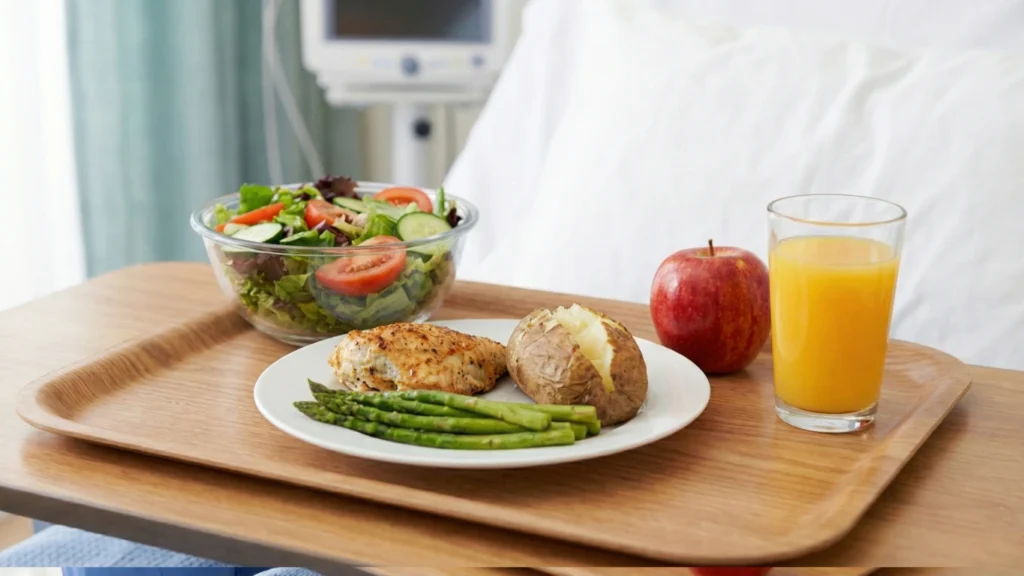
Managing Treatment-Related Eating Challenges
🗹 When Appetite Decreases
Offer small, frequent meals throughout the day rather than three large ones. Keep favourite snacks readily available. Make mealtimes pleasant without pressure, as stress can further reduce appetite. Sometimes, allowing your child to eat while watching their favourite show can help.
🗹 Dealing with Nausea and Vomiting
Cold or room-temperature foods are often better tolerated than hot meals. Bland options like khichdi, curd rice, plain toast, or crackers may be easier on sensitive stomachs. Ginger tea or lemon water can help settle nausea. Avoid strong-smelling foods that might trigger discomfort.
🗹 Managing Mouth Sores
If your child develops mouth sores, avoid spicy, acidic, or crunchy foods. Opt for soft, smooth textures like dalia, mashed vegetables, smoothies, custard, or dal. Serve foods at a lukewarm temperature, as very hot or very cold items can cause pain.
🗹 Taste Changes
Cancer treatment often alters how food tastes. Suppose your child complains that food tastes metallic or bland, experiment with different seasonings (avoiding very spicy options). Marinating meats in yoghurt or lemon juice can help. Sometimes switching from metal utensils to plastic ones reduces the metallic taste.
Practical Meal Planning Strategies
Create a weekly meal plan that incorporates your child’s preferences while ensuring nutritional adequacy. Stock your kitchen with easy-to-prepare, nutrient-rich options. Batch cooking and freezing portions can save time on difficult days.
Sample Meal Ideas:
🗹 Breakfast: Moong dal cheela with paneer, banana milkshake
🗹 Mid-morning snack: Apple slices with peanut butter, or a handful of nuts
🗹 Lunch: Vegetable khichdi with ghee, yoghurt, and a side of cooked vegetables
🗹 Evening snack: Besan ladoo or homemade trail mix
🗹 Dinner: Roti with dal tadka, chicken curry, and steamed rice
When to Seek Professional Nutrition Support
If your child experiences significant weight loss, refuses to eat for more than two to three days, shows signs of dehydration, or has persistent vomiting, consult your medical team immediately. In some cases, nutritional supplements or specialised medical nutrition may be recommended.
At our centre, we believe nutrition is central to comprehensive cancer care. We work closely with families to develop personalised meal plans that accommodate treatment schedules, side effects, and food preferences while ensuring your child receives optimal nutrition.
Moving Forward with Confidence

Nutrition during cancer treatment doesn’t have to be overwhelming. Start with small, manageable changes. Focus on nutrient-dense foods your child enjoys.
Be patient with appetite fluctuations and taste changes. Most importantly, remember you’re not alone in this journey.
If you have concerns about your child’s nutrition during cancer treatment or need personalised guidance, reach out to us. Dr Kriti Hegde and our multidisciplinary team at Mumbai’s leading pediatric oncology centre are here to support your child’s complete care, from diagnosis through recovery.
Contact us today at +91 8450909323 to schedule a consultation. Together, we can help your child stay stronger throughout their treatment journey.