Holding your baby and suddenly facing a diagnosis like a brain tumour feels like the ground has vanished beneath you. As parents, the fear of not knowing what’s happening or what lies ahead can be deeply overwhelming.
This is where clarity becomes everything – understanding the kind of tumour, why it’s common, and what signs to look for early. Infant brain tumours often bring urgent decisions, uncertain moments, and the need for an experienced, guiding hand.
Dr Kriti Hegde, expert at Pediatric Oncologist in Mumbai, walks beside you through each step – from diagnosis to recovery, always with heart and skill. We’re here for families who need expert eyes, steady hands, and compassionate care during one of life’s most difficult times.
Understanding the Most Common Brain Tumour in Infants in India
Few things can shake a parent more than hearing their baby has a brain tumour. It’s not just a medical issue – it’s an emotional earthquake. Let’s bring some clarity to this overwhelming topic starting with the types that appear most frequently.
Common Types Diagnosed in Indian Infants
Among all types, medulloblastomas tend to be the most commonly diagnosed tumour in Indian infants. These typically begin in the cerebellum and are often infratentorial in nature. Supratentorial tumours like gliomas follow closely and are sometimes seen in babies under a year. A few rare cases involve teratomas or ependymomas, which add to the diagnostic challenge. Each tumour’s behaviour depends on its location and how early it’s discovered.
Prevalence and Data from Indian Registries
Hospital cancer registry data and the National Cancer Registry Programme (NCRP) offer new insight each year. According to the NCRP, brain tumours in infants remain a significant slice of child cancer cases in India. Urban hospitals report a steady increase in detection rates due to better scanning tools. Rural areas still lag behind in timely diagnosis and access to specialist care, making awareness crucial.
Early Symptoms and Detection in Newborns and Infants
Imagine watching your baby cry excessively or struggle to feed – what if those are silent alarms? Recognising early signs can make a huge difference and it starts with noticing subtle, unexplained symptoms.
Recognising Symptoms in Early Life
Babies can’t express discomfort, but their bodies speak. An abnormal increase in head size or bulging of the soft spot may be signs. Some babies show sluggish movements, unusual eye drift, or feeding difficulties. Delayed milestones or persistent crying might hint at pressure inside the skull. All these signs deserve attention, not guesswork.
Challenges in Diagnosis at an Early Age
Symptoms in infants often mimic more common issues like colic or reflux, leading to delays in catching tumours early. A child may be treated for unrelated conditions before scans reveal the tumour. The inability of infants to communicate makes specialists rely heavily on careful observation and detailed assessments.
Diagnostic Methods Used in India
Imaging methods form the backbone of tumour detection. Most doctors begin with MRI or CT scans tailored for infants. In some cases, a biopsy helps confirm the tumour type. Neonatal adaptations ensure the procedure stays safe. Liquid biopsy is being explored in top oncology centres like ours at SRCC Hospital to make diagnosis less invasive for small bodies.
Medical Treatment Options Available for Infants
Once confirmed, treating a brain tumour in a baby becomes a delicate task, balancing the necessity of aggressive treatment with the fragility of a developing brain. Knowing the best options makes it a little easier.
Primary Interventions Recommended
Surgery remains the first step when possible. Skilled paediatric neurosurgeons aim for maximum tumour removal with minimum risk. However, surgery comes with high stakes in infants due to their small size and delicate brain structure. We work closely with surgical teams to map every surgery in detail.
Adjunct Therapies Used in India
Post-surgery, chemotherapy protocols are adjusted for age and weight. Radiotherapy is used with caution in babies, given developmental side effects. Immunotherapy is beginning to see use in high-risk cases through clinical trials, including some at our centre. Families are informed about all the short and long-term effects before each step.
Rehabilitation and Supportive Therapies
Beyond treatment, therapy programs help infants regain lost abilities. Physiotherapy boosts motor function, while speech and sensory therapy support development. Family counselling and nutritional guidance become part of the plan so recovery isn’t just physical – it’s emotional and social too. At our clinic, we customise these based on each child’s progress.
Prognosis and Post-Treatment Outcomes
Every milestone forward brings hope. Still, understanding survival chances and the path ahead gives clarity. Survival isn’t just measured in months or years – it’s about the life lived after treatment.
Survival Statistics and Outlook in India
Outcomes often depend on tumour type, grade, and how soon treatment begins. In India, well-equipped centres like ours see improving survival rates. Earlier detection means better results. Babies who receive full treatment cycles from specialist centres have higher chances of long-term stability.
Long-Term Effects and Quality of Life
Some children face long-term effects like delayed speech or motor skills. Others may experience learning difficulties. Creating quality of life becomes key – as does long-term neurological monitoring. At Dr Kriti Hegde’s clinic, we offer continued follow-up care to address these needs proactively, not reactively.
Hospitals and Specialists for Infant Brain Tumours in India
Choosing the right centre means everything when treatment is complex. You need more than equipment – you need a team that understands children like their own.
Leading Paediatric Oncology Centre
Our centres in Mumbai bring together skilled teams and top diagnostic tools. With a dedicated neuro-oncology unit, we offer expert evaluation and custom care in a child-friendly setting. We coordinate with surgeons, neurologists, and rehabilitation staff under one roof.
Key Specialists and Support Services
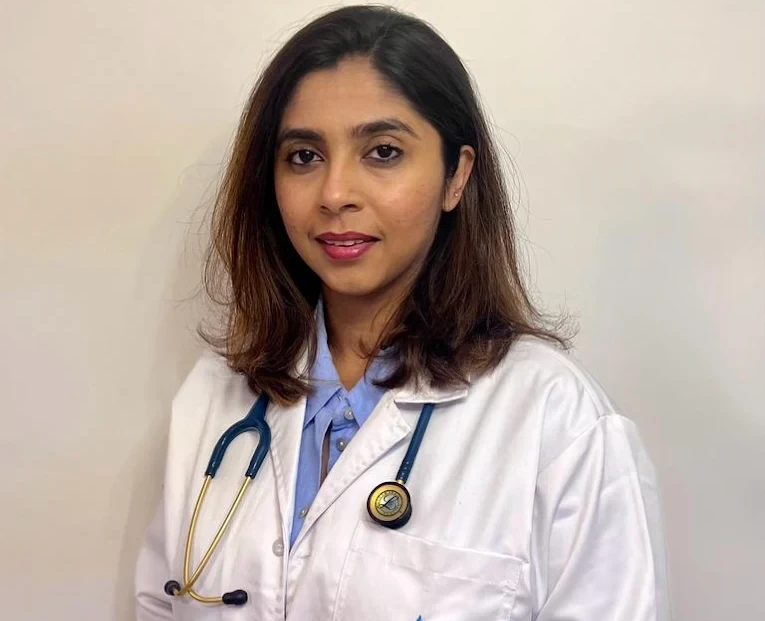
Dr Kriti Hegde leads with nearly two decades of experience in paediatric brain tumours. From counselling to child psychology services, our support network helps families cope along every step. We bring international expertise and heartfelt care to each case.
Factors Contributing to Infant Brain Tumour Development
Many parents ask one question: why? While answers continue to evolve, some patterns and triggers are worth understanding to help families make informed choices.
Known and Suspected Risk Factors
Maternal health during pregnancy can sometimes influence risks. Exposure to certain chemicals or radiation while the baby is in the womb remains under investigation. Insights are still emerging from research in Indian and global studies. We help parents understand these links based on available science.
Genetic and Hereditary Links
Some tumours result from genetic mutations or inherited conditions. In families with repeated cancer cases, we may suggest genetic testing. Our team provides genetic counselling so parents stay informed and supported. Early screening becomes a part of ongoing family care, especially for siblings.
Family and Community Support After Diagnosis
The medical side is just one part of the entire experience. Emotional wellbeing of the whole family matters deeply – when the child cries, the parent’s heart breaks too.
Emotional and Caregiver Support
The stress on caregivers can be overwhelming. That’s why we offer counselling and connect families with other parents who’ve faced similar paths. Support groups give courage and a sense of belonging when everything else feels too much. Parents are never alone in our clinic journey.
Palliative and Holistic Care
In advanced cases, palliative care softens pain and improves comfort. We offer such care not just for terminal conditions but as a way to improve well-being at all stages. Our community outreach also organises awareness sessions, offering clarity to families across Mumbai and beyond.
FAQs
🗹 Can a baby be born with a brain tumour?
Yes, although rare, some babies are born with congenital brain tumours that develop before birth.
🗹 What are survival stories of infants with brain tumours?
We’ve cared for many children who have overcome brain tumours and are thriving with post-treatment support like rehab therapy.
🗹 Is there a possible cure or promising research in India?
Yes, new therapies including targeted and immunotherapy are improving outcomes. We participate in ongoing research studies for better treatment.
🗹 What are the latest advances in diagnosis and treatment?
Advanced imaging, liquid biopsies, and molecular profiling now allow earlier and more specific treatment planning even in infants.
Your World Changes with Just One Word
One diagnosis can feel like time has stopped. Questions race, fears rise, and nothing else seems to matter. But with answers, compassionate guidance, and expert care, there comes clarity – and with it, hope.
When caught early and treated by the right specialists, outcomes improve, stress reduces, and families can breathe again. While it feels overwhelming now, the road ahead can be steadier than you imagine – with the right support beside you.
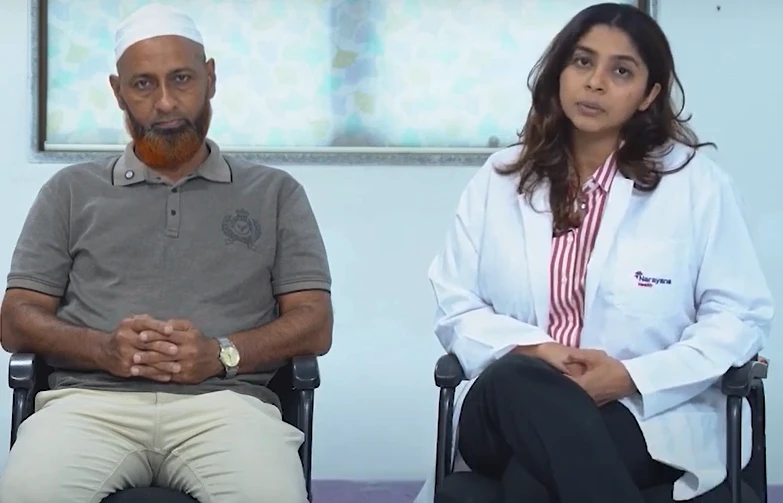
At Pediatric Oncologist Mumbai, we treat brain tumours in infants with advanced care and deep empathy. Visit us to begin a path where your child’s healing is our highest purpose.