
Infant Brain Tumour:
Expert Care by Dr Kriti Hegde
What is an Infant Brain Tumour?
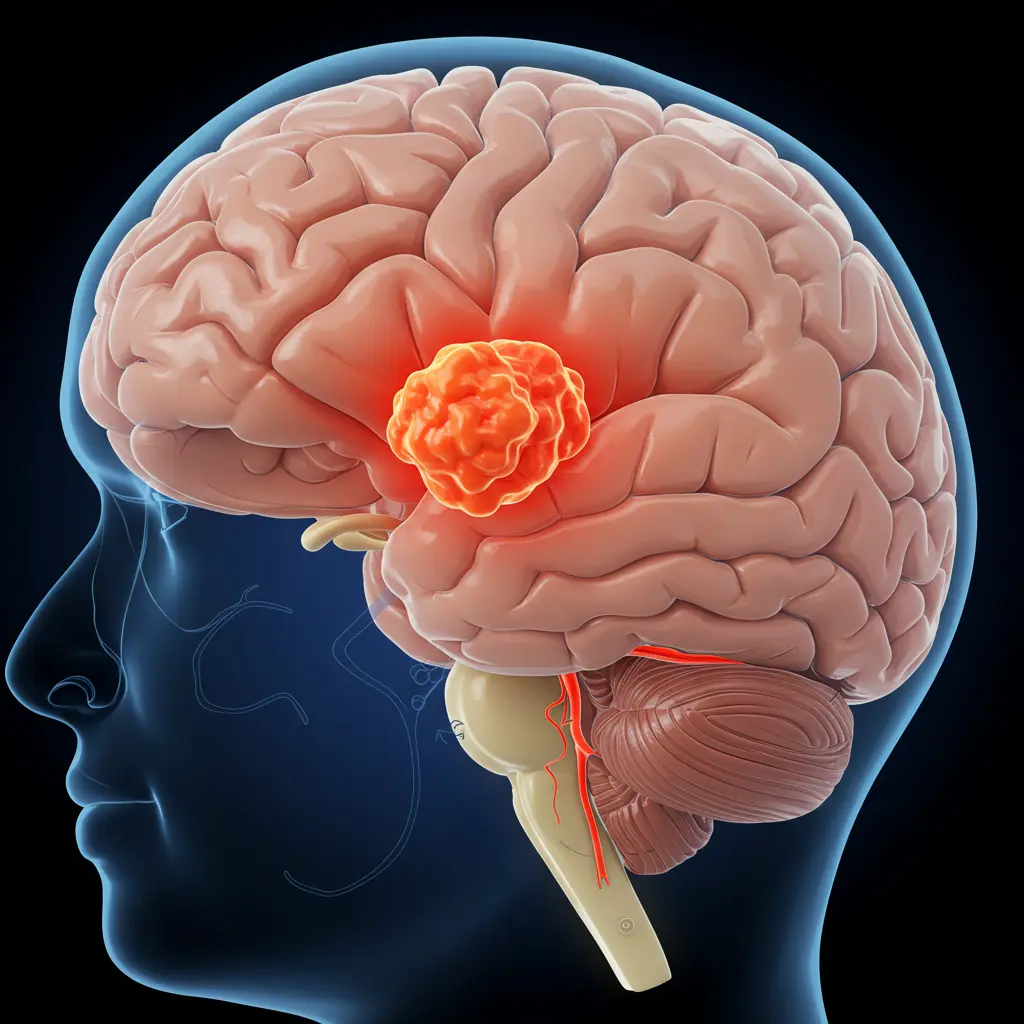
An infant brain tumour refers to abnormal growths or masses of tissue that develop in the brain during infancy. These tumours can affect a baby’s brain development and may cause a variety of neurological issues, depending on the tumour’s location, size, and type. Types of Infant Brain Tumours are:
- Gliomas: Tumours that originate from glial cells.
- Medulloblastomas: Malignant tumours typically found in the cerebellum.
- Craniopharyngiomas: Benign tumours near the pituitary gland.
Each type presents different challenges and requires tailored treatment approaches.
Infant Brain Tumour Symptoms
Detecting infant brain tumours early can make a significant difference in treatment outcomes. Common symptoms to look out for include:
- Abnormal Head Growth
- Persistent Vomiting
- Seizures
- Vision Problems
- Trouble Moving or Feeding
- Lethargy
- Behavioral Changes
If you notice any of these symptoms, it’s important to consult with a paediatrician or specialist like Dr. Kriti Hegde for an evaluation.
Infant Brain Tumour Causes
The exact cause of medulloblastoma is unknown, but several factors may contribute to its development, including:
- Genetic Mutations: Some brain tumours are associated with genetic abnormalities that can be inherited or occur spontaneously.
- Prenatal Factors: Exposure to harmful substances during pregnancy may increase the risk of brain tumours in infants.
- Environmental Factors: In some cases, environmental toxins or radiation exposure may play a role in tumour development.
- Family History: A family history of childhood cancers or genetic conditions may increase the risk of brain tumours.
While many tumours appear without a clear cause, understanding potential risk factors can help guide early detection and treatment.

Diagnosing Infant Brain Tumours
Diagnosing an infant brain tumour involves a combination of physical examinations, imaging tests, and possibly biopsies. Common diagnostic tools include:
- Physical & Neurological Exam: Assessing neurological function and abnormalities.
- Imaging Tests (MRI, CT Scan): Crucial for locating and evaluating tumour size.
- Biopsy: Used to determine tumour type, especially for deep tumours.
- Genetic Testing: Identifies mutations that could affect treatment options.
- Comprehensive Evaluation: Ensures accurate diagnosis for personalized care.
- Advanced Diagnostics: Combining tests for a thorough understanding of the tumour.
Dr. Kriti Hegde uses advanced diagnostic methods to ensure that the diagnosis is as accurate and comprehensive as possible.
Treatment for Infant Brain Tumours
Surgical Treatment
Surgery removes as much of the tumour as possible, easing pressure on the brain. In some cases, only part of the tumour is removed due to its location.
Radiation Therapy:
High-energy rays are used to target and destroy remaining tumour cells after surgery. Radiation is tailored to minimize long-term side effects in infants.
Chemotherapy:
Powerful drugs are used to kill cancer cells or prevent tumour growth. It’s effective for tumours that are difficult to remove surgically or have spread.
Targeted Therapy:
This treatment targets cancerous cells while sparing healthy cells. It’s a growing option for recurrent or hard-to-treat infant brain tumours.
Supportive Care:
Infants need additional care to manage symptoms like pain, nausea, and feeding issues. Dr. Hegde customizes each treatment plan for the best outcomes.
Personalized Treatment:
Dr. Hegde ensures each child receives a tailored care plan, incorporating surgery, chemotherapy, radiation, and supportive care for the best results.
Recurrent Medulloblastoma Treatment
For patients experiencing recurrent medulloblastoma, treatment can be more complex. If the tumour returns after initial treatment, additional chemotherapy, targeted therapy, and possibly a second round of surgery or radiation may be required.
Dr. Hegde’s expertise in managing recurrent medulloblastoma allows her to tailor treatment to the specific needs of each patient, improving survival rates and quality of life.
Why Choose Dr. Kriti Hegde Infant Brain Tumour
Treatment?
Years of Experience
Dr. Hegde has years of experience in treating infant brain tumours.
Comprehensive Care
A holistic, compassionate approach to care for both child and family.
State-of-the-Art Technology
Using advanced tech for precise imaging and effective treatment.
Multidisciplinary Team
Collaborating with specialists for well-rounded tumour care.
Take the First Step in Treatment
If you suspect your infant may have a brain tumour or has already received a diagnosis, don’t wait. Early intervention can make a world of difference. Contact Dr. Kriti Hegde today for expert consultation and personalized care.
Frequently Asked Questions
Common signs include abnormal head growth, persistent vomiting, seizures, and behavioural changes. Early detection is key.
With early treatment, many infants recover well, especially if the tumour is caught early and treated effectively.
Diagnosis typically involves a physical exam, imaging tests (MRI or CT scan), and sometimes a biopsy or genetic testing.
Treatment can have long-term effects, especially in younger children. Dr. Hegde tailors the treatment to minimize risks and ensure the best outcomes.
Schedule a Consultation Today
Choosing the right care for your child’s hematology and oncology needs is critical. Dr Kriti is dedicated to offering expert, compassionate care tailored to every child’s unique condition.